Nov 27, 2011

happy thanksgiving

Hope you all had a great thanksgiving weekend! Amity and I ended up cooking dinner for two on Thursday, since we were headed to Charleston on Friday. Since two people can only eat so much in one day, we roasted a chicken instead of a turkey. Not that either of us seemed to miss dried turkey meat whatsoever.


I did want to do something different with the chicken this time to make it a bit more special. So I opted for a slow roast at 275F for about 3 hours. The results is crispy skin and fall off the bone meat that is juicy and tender. Pretty similar to a rotisserie chicken really. I still did everything else pretty much the same - air dried it for 24 hours, trussed it and seasoned it just before cooking (with salt, pepper, and rosemary in the cavity).


For sides, we went pretty traditional. Mashed potatoes, cranberry/orange relish, brussel sprouts/apples/bacon, chicken gravy, apple sauce, and of course - my favorite - a huge pan of stuffing! The stuffing was twice baked with day-old bread, roasted chestnuts, pecans, onions, carrots, celery, apples, and homemade bratwursts (made by Nate/Lisa/Haskell in VT). Before baking the stuffing (twice) I liberally soaked everything in homemade chicken stock, so that by the time we ate it, all the chickeny goodness was completely baked in. By far my favorite part of the meal.


Along with all this delicious food, we had a great bottle of Chateauneuf du Pape that Amity had brought back from her trip to France 18 months ago. Perfect wine for a great meal!

Nov 2, 2011

best burger in atlanta?

And  we're back... Yeah it's been way too long, but what can I say. I got busy. Going to make an effort to post somewhat regularly again, so we'll see how it goes. So what finally prompted me to post again? A new toy for my kitchen of course!


This little stove-top smoker allows you to smoke food, and not your house/apartment. Clever huh? It works with just a small amount (~1tbs) of very small wood chips that smoke super easily (and no soaking necessary). Since the size of the smoker is small, you don't need much smoke to fill it and flavor your food, and so even though the smoke eventually releases into your kitchen, it's barely noticeable. Definitely less smoke than a fireplace would generate (and certainly less than properly searing a burger!) Not sure how well it'll work with a large shoulder of pork, but for smaller items, it works like a charm.


Over the weekend I tried it out with some shrimp and 1tbs of Alder wood chips. Result was fantastic. In just 15 minutes, the shrimp were perfectly cooked and deliciously smokey. Tonight, I decided to try it out on a burger - basically recreating that summertime grilled burger flavor...


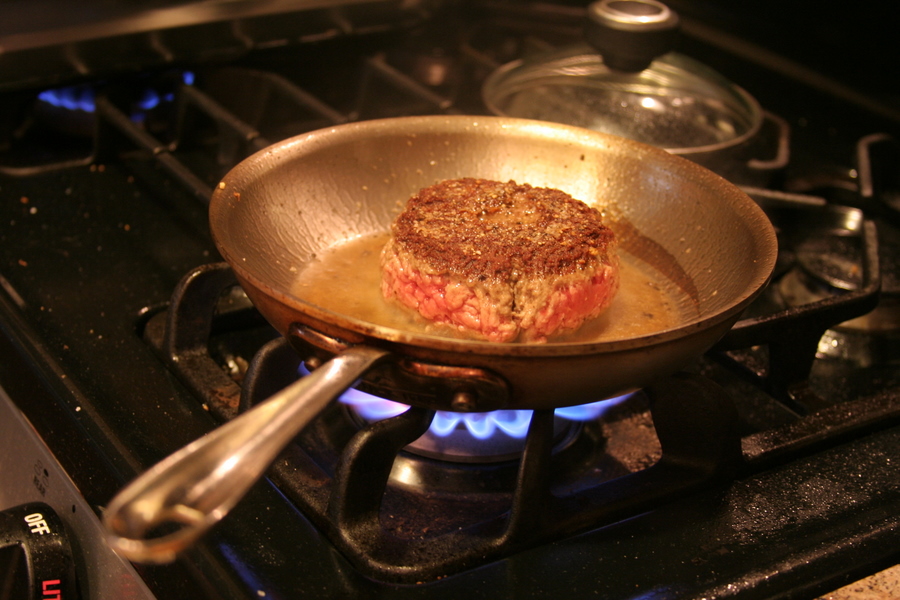
Of course I love grilled burgers, but getting a nice sear on a burger really makes a huge difference, and you just don't get that on a grill - even with charcoal. A smoking hot skillet or griddle is really the best way to go, and how any good restaurant cooks your burger. Using butter to sear it doesn't hurt either :)


Once the burger was nicely seared on each side but completely raw in the middle, I popped it into the smoker with hickory wood chips for 15 minutes. The smoker is kept over medium heat on the stove, which according to the manual keeps the inside of the smoker around 375-400 degrees. After 15 minutes, I had a perfectly cooked burger with amazing smokehouse flavor. Seriously, did I mention the flavor? Honestly, no regular charcoal grill comes close.


Toppings make a burger, and eggs are the new bacon (I guarantee eggs will be on everything at TGIF in 1 year). In the meantime, a fried egg, a bun toasted in butter, a young melted Parmesan, Heinz ketchup, lettuce and tomato. Not the worst burger I've ever had :)


And to top it all off - Great Divide Smoked Baltic Porter. Seemed like a perfect match... and it was.

Jul 18, 2011

pearl barley

I was recently asked to come up with some tasty ways to use barley (besides beer!). I've never actually cooked barley, so this was a good excuse to try it out. I started off with a simple salad. Unfortunately I somehow lost the pictures... not sure what happened there. Anyway, it was a mix of pearl barley (cooked and chilled), Roma tomatoes, cucumbers, roasted corn kernels, fava beans, mint, basil, parsley, and a mustard/lemon vinaigrette. I really liked the texture and nuttiness that the barley brings to the salad, and it actually made for a pretty hardy meal.


The second dish I put together was more of a breakfast/brunch dish. Again, I started with cooked and chilled pearl barley which I warmed up on a frying pan with a nice chunk of butter. At the same time, I roasted some cherry tomatoes and a Serrano pepper in the oven and fried up some bacon. I mixed everything together, added a fried egg on top and finished the whole thing with a few dashes of hot sauce. A very solid breakfast indeed!

Directions
Cook barley in salted boiling water or broth for 45 minutes. Use as a starch anywhere you would use rice or potatoes.

Jul 16, 2011

salt-cured salmon

Curing salmon is one of the easiest things you can do at home, and the results are usually pretty stellar. It's a simple matter of putting a salmon filet in a plastic bag with some table salt, sugar, and whatever other flavors you want. A regular sized filet will take two days or so. You want to take it out when its firm to the touch. At that point, you'll have something that approximates smoked salmon. Salty deliciousness! I used pepper and bay leaves to keep the flavors pretty neutral this time around, but you could easily use fresh herbs (dill would yield Gravlax), or other spices - smokey chipotles come to mind. Then just eat it like you would smoked salmon. Perfect on a bagel with cream cheese, a quiche, or in pasta. Simple as that!


Cure Mix (for 1-1.25lb Salmon Filet)
50g (1.75oz) Salt*
35g (1.25oz or 2.5tbs) Sugar
Whatever else you want!

Directions
Buy a salmon filet that's pretty evenly sized (buy the middle of the filet, not end bit)
Mix salt, sugar and other herbs/spices, and rub on salmon
Place salmon filet in plastic Ziploc bag
Leave in fridge for 36-48 hours (depends on thickness of fillet), flipping once or twice to redistribute salt brine that forms.
It's ready when the salmon is firm to the touch (think smoked salmon or cooked salmon)
Rinse/pat excess salt off and serve cold! (will keep 1week refrigerated)

* Salt Guide
Measuring by weight is important with salt, but if you must use volume measurements, here's a rough conversion for this recipe:

1.75oz Regular table salt = 3tbs
1.75oz Morton's Kosher Salt = 4tbs
1.75oz Diamond Kosher Salt = 6tbs

Jul 15, 2011

clafoutis


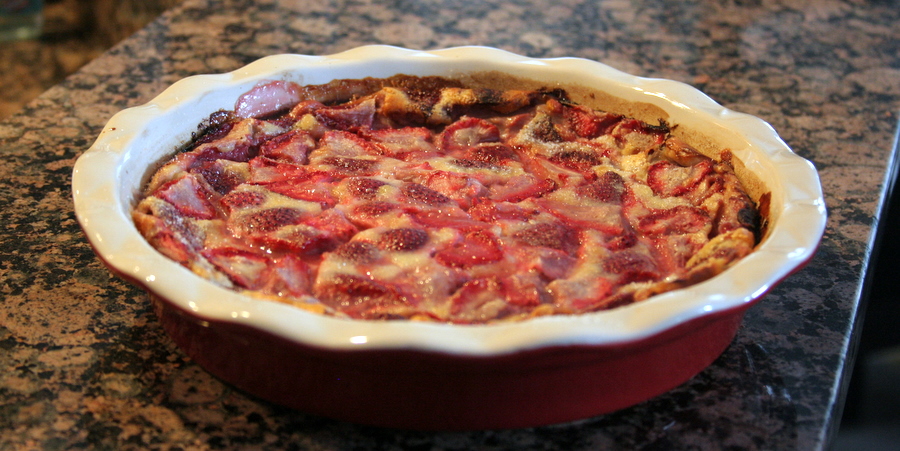
Yesterday being Bastille Day, it seemed appropriate to make a decidedly French desert to celebrate just a little bit. A clafoutis (kla-foo-tee) is a flan like batter that's baked into something resembling a large pancake. Traditionally it's made with cherries and it originates from Limousin, a province in central France. (Incidentally, the limousine car is named after the region because they wore a hood with a profile perceived to be similar to that of the car there... now you know.)


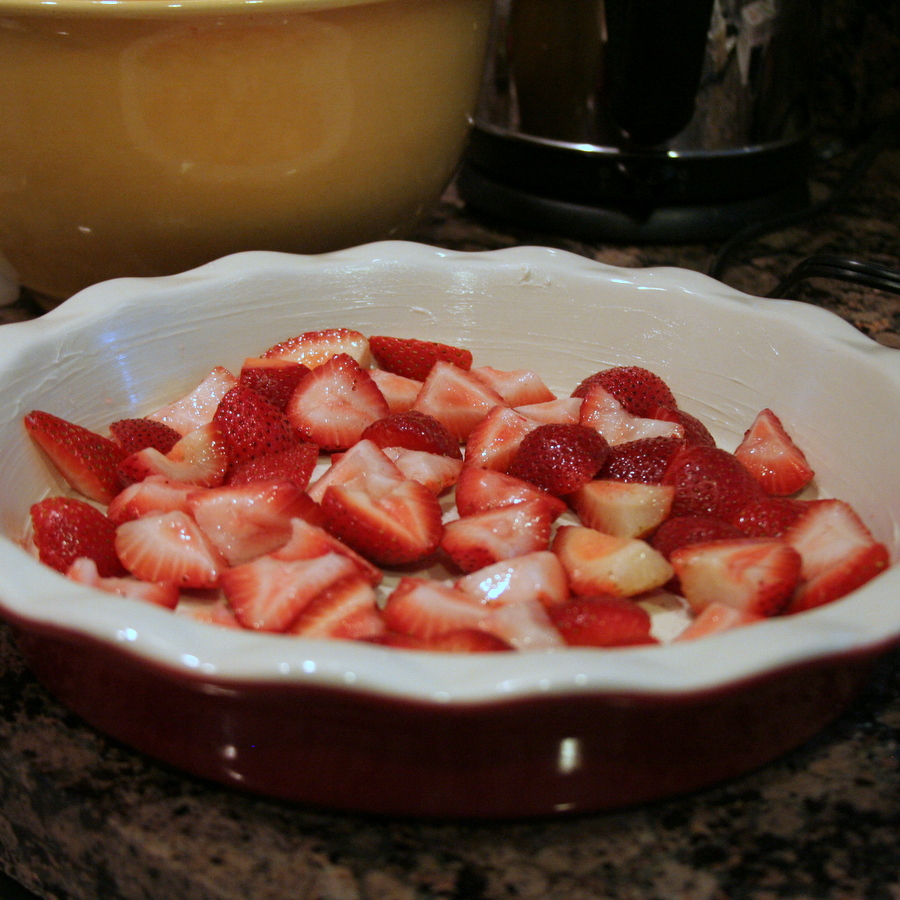
Want more random facts??? It's apparently very important to keep the pits in the cherries while the clafoutis bakes, because they impart additional flavor. Who knew! However, as you can tell from the pictures, no pits... or cherries were used here. I had lots of strawberries in the fridge and didn't want to see them go to waste. (Since we're in fact mode today... when anything other than cherries are used, it's actually called a flaugnarde, not a clafoutis, but who's counting.) As I was putting the batter together, it also dawned on me that this is a reasonably healthy desert - relatively speaking of course. Look through the list of ingredients and you'll notice about 80% of it is milk and fruit. Not bad!


Clafoutis (sorry for the grams, I'm sure you can all convert!)
450 g fruit, cut into bite size chunks if necessary (strawberries, cherries, rasperries, etc...)
150g flour
100g sugar
1 pinch salt
20g butter, melted
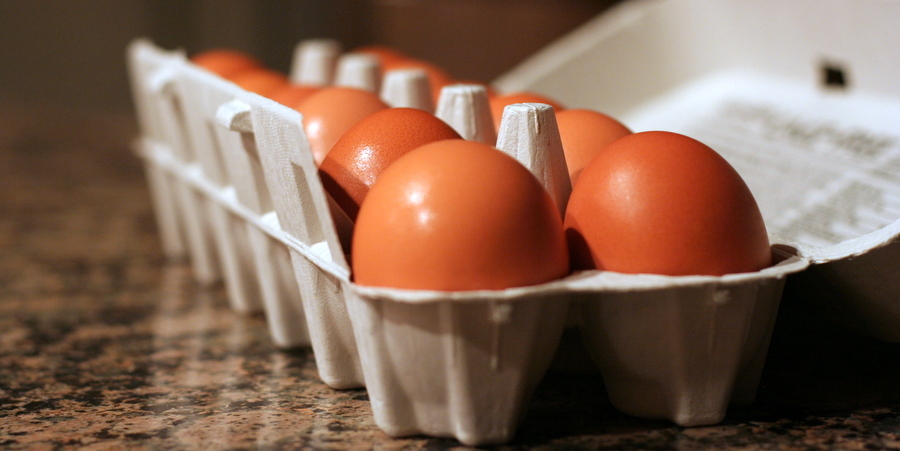
3 eggs
1/2 L milk

Instructions
Preheat oven at 425F
Sift dry ingredients together, add butter and mix
Add in eggs one at a time and mix 
Pour in the milk slowly while stirring, until smooth. do not overwork flour.
Butter a pie dish and layer fruit inside
Cover with batter
Bake for 45 minutes, serve at room temperature.

Jul 12, 2011

vietnamese spare ribs

What happens when you stick someone who loves Asian food in the South? Well you already read the title right... So there's a cool little restaurant here in Atlanta that does southern style hickory smoked BBQ - with a twist. The chef, originally from Korea, weaves in Korean spices and flavors into the rubs and sauces. Everyone raves about it and it's definitely on my short list of places to try. Unfortunately I haven't been there yet, but it did get me thinking...


So I came home from the grocery store the other day with a rack of St Louis style pork ribs. St Louis refers to the cut - basically the ends of the ribs are trimmed off so that the rack is completely even (making cooking slightly easier). The marinade I put together was logical, if not easy: lemongrass, ginger, garlic, fish sauce, Chinese five spice powder, oil, and dark caramel. Just looking at the ribs sitting there in the fridge, getting all happy overnight, made me smile!


The great thing about ribs, and really any meat that is pretty high in fat, is that they're very forgiving. You basically slap them in the oven and roast them as long as you want (within reason I suppose). Patience and a little planning are typically rewarded with these types of cuts, but you have to try pretty hard to screw them up badly. I roasted these ribs about three hours at 275ish. To complete this Southeast Asian (and Southern) inspired meal, I served a few of the ribs on top of rice vermicelli with sliced cucumber, a mix of fresh herbs (culantro, thai basil, mint, regular basil), and some nuoc cham on the side. I'm pretty confident this would sell rather well on the streets of Hanoi :)


Vietnamese Ribs (serves 3-4)

1 2.5 lb rack of spare pork ribs

Marinade
1/2- lemongrass stalk, finaly minced
6-8 cloves of garlic, finely minced
1.5" knob of garlic, finely minced  (basically you want equal parts garlic, ginger and lemongrass)
3-4 tbls fish sauce
1.5 tbls Chinese five spice powder
1.5 tbls Caramel (can sub in honey, agave syrup, or brown sugar)
1/4 cup oil

Directions
Mix all the ingredients together for the marinade
Rub the marinade onto the ribs
Place the rack in large Ziploc bag and refrigerate for 12-24 hours
Cook in 275-300 oven on a sheet pan for 3 hours or until the bones come off the meat very easily.

thai chicken basil

Sorry I haven't posted in a while. With the summer fully upon us, we've been feasting on a lot of tomatoes, salads and other cold meals throughout the week. Not very interesting stuff to blog about. I do however have a mini-garden on our very windy fifth floor balcony and among other things have a large bunch of Thai Basil growing. Since I hadn't used any of it yet, it was starting to get rather unruly. Gai Pad Gra Pow, or chicken (gai) stir fried (pad) with holy basil (gra pow), seemed like a good way to use some of it.


This dish can be found in just about any Thai restaurant all over the world. It's rather quick and simple to make and doesn't require a lot of ingredients. Usually this dish is made with ground chicken, but I used diced chicken thigh today. Turkey or pork would work well for this dish as well. Ideally the dish is made with Holy Basil, which is different from Thai Basil or regular Basil. It has more of a spicy, minty quality. Any basil will do in a pinch, but if you can find Holy Basil somewhere, all the better. The sauce is a simple mix of soy sauce, oyster sauce, and sugar dissolved in a bit of water. And don't forget the chilies! This dish is usually very spicy, but obviously you can adjust that to your tastes rather easily.

I fell in love with sticky rice in Thailand, and this seemed like a perfect time to make some. Unlike regular rice, you do need to soak the rice first (i usually soak it for 8-12 hours). Then you simply steam it for 20-25minutes minutes. Ideally I would have a special bamboo steamer, but I've found that my fine mesh strainer fits perfectly in my saucepan and works very well for this. The only trick is to keep the layer of rice a uniform thickness. You'll also want to buy special "sweet rice" for this (it's not actually sweet!). I use "Three Ladies" brand Sweet Rice. When cooked, the rice should stick together, but it'll be dry to the touch. Enjoy!


Gai Pad Gra Pow (Serves 2)
3/4 lb chicken, diced or ground
2 tsp cooking oil
4-5 cloves garlic, minced
2 tbls oyster sauce
2 tsp fish sauce
1 tsp sugar
2 thai birdseye chilies, minced (this should make it somewhat spicy, adjust to taste)
1 cup loosely packed Holy Basil

Instructions
Heat oil in frying pan until very hot
Add garlic and cook for 30 seconds, stirring continuously
Add chicken and cook 2-3 minutes until cooked through
Add oyster sauce, soy sauce, sugar and just enough water to thin it out a bit (1-2 tbls)
Add basil and chillies and serve immediately

Jun 30, 2011

steak tartare

If someone placed 1/4 lb slab of raw beef in front of me and told me to eat it, I would probably cringe, take a couple bites, and push the rest away. So why do I love steak tartare?? Well for starters, it's so much more than just raw beef. When prepared correctly, it has a TON of flavor. It's kind of like those sushi rolls that are doused in various colorful sauces, covered in avocado and topped with bacon bits. Sure there's raw fish in there, but there's no way you'll ever taste it...


Tartare is the same. The beef is finely chopped until tender and then mixed with such an array of bold flavors, you really won't taste much "raw beefiness." I know it's a leap of faith, but trust me, if you buy good quality sirloin and keep the portion sizes reasonable, it's a pretty amazing dish. I followed Anthony Bourdain's recipe which seemed to get rave reviews throughout the internet and was very happy with the results. Just buy the best beef you can, and keep the whole thing very cold (including the plates!). And if you want to go super traditional, serve it next to a plate of fries.

Steak Tartare (Serves 3-4)

1 egg yolks
1 tablespoons Dijon mustard
2 anchovy filets, finely chopped (if skipped, make sure to use salt. but don't skip!)
1 teaspoons ketchup
1/2 teaspoon Worcestershire sauce
Tabasco sauce, to taste
Freshly ground black pepper
2 tbls oil
1/2 tbls Cognac (I used regular brandy)
1/2 small onion, finely diced (you can use shallots)
1 ounces capers, rinsed and chopped
1 ounces cornichons, finely chopped
2 tbls finely chopped flat parsley
3/4 pounds fresh sirloin (buy the leanest cut possible, and don't waste your money on tenderloin, sirloin works perfectly here and has a little more flavor)
Toasted or grilled crusty white bread to serve


Directions
Mix egg yolk, mustard, anchovy filets, ketchup, Worcestershire sauce, tabasco, and pepper in a large bowl.
Drizzle the oil in slowly as you mix the whole thing
Fold in the cognac, onion, capers, cornichos, parsley
Trim all the excess fat and sinew off of the meat
Grind the beef in a meat grinder or better yet, chop it up by hand with a very sharp knife.
Mix the meat into the dressing and serve immediately with some toasted bread.

Jun 28, 2011

okonomiyaki


You like pancakes? Yeah, me too. Now imagine a savory pancake full of pork, seafood, and/or your favorite crunchy vegetables. You can eat it for brunch, lunch, dinner or even a late night snack! Not a terrible idea huh? Okonomiyaki is exactly that, a wonderful savory Japanese pancake you can eat at any time of the day. It's pretty deliciously amazing and I'm convinced that if we got a few marketing geniuses from Kellogg together, we could sell it as the perfect hangover food here in the US. For the time being, if you want one, you'll probably have to do a little searching on Yelp or Chowhound or... just make this wonderful disc of deliciousness yourself!


The first time I was introduced to okonomiyaki, I was in Tokyo, in a restaurant that pretty much only makes okonomiyaki. Actually they don't make it - you make it! They give you the batter, whatever ingredients you want in it (just like you might order a pizza here), but then you cook the thing yourself. Having a griddle in the middle of each table might not fly with lawyers in the US, but the Japanese seem to manage just fine. Besides, watching your friends attempt to flip their pancakes is rather amusing too. Ingredients run the gamut from thin slabs of pork belly to fermented soy beans and chunks of octopus. Pretty much anything goes. In fact okonomi mean "what you want" and yaki means "grilled."


As I said, there are a few key ingredients and then the rest is up to you. The base is essentially just pancake batter. In its most basic form, its flour and water. Traditionally grated mountain yam is added to make it slightly gooeyer (read: mucussy) and dashi stock is used instead of water. Eggs and baking powder aren't uncommon additions either. However you make it, the end result should be something that resembles a traditional pancake batter in terms of consistency. The other two ingredient that you probably don't want to skip are chopped cabbage inside the pancake and okonomiyaki sauce on top. The sauce is often described as similar to Worcestershire Sauce, but sweeter and thicker. You'll have to go to your nearest Asian grocer to find it, order it online, or just make it yourself (this recipe is easy!)


Once you've made your batter, what you mix into it is entirely up to you. Today I used shrimp, calamari, shimeji mushrooms, cabbage, and green onion. I also added small bits for fried tempura batter (see above) called tenkasu. This adds a nice crunch. Regular potato chips could be easily used as a substitute in a pinch. Depending on the size of the pancake, you'll need to cook it at least 3-5 minutes per side on a griddle or frying pan. I also cooked my seafood beforehand so that I wouldn't have raw calamari in the middle of my dinner! Finally, it's also rather common for okonomiyaki to have strips of pork belly placed on top and cooked into the pancake. I decided to save that for next time...


To finish it all off, the dish is traditionally topped with the aforementioned okonomiyaki sauce, mayo (don't forget the mayo!!!), nori (seaweed), and bonito flakes. Perfect!


Okonomiyaki (serves 3)
1 cup flour
3/4 cup dashi (or water)
2 eggs
1.5 cup chopped cabbage

Optional
2 green onions, sliced
1/2 cup  chopped calamari and shrimp, cooked very lightly
1 cup shimeji mushrooms, cooked very lightly
1/4 cup tenkasu (fried tempura batter, can substitute potato chips)

Toppings (to taste)
Okonomiyaki sauce
Mayonaise
Nori, finely chopped
Bonito flakes

Directions
Mix the flour and dashi until smooth
Gently mix eggs, cabbage, onions, calamari, shrimp, mushrooms, and tenkasu into the batter
Poor onto hot griddle and shape into pancake (can divide into 2-3 small, or 1 very large pancake)
Cook 3-5 minutes per side depending on size
Brush okonomiyaki sauce onto one side, remove from heat
Add mayo, nori, and bonito to taste

Jun 20, 2011

soft-boiled eggs

The perfectly cooked egg exists, it's true! Unfortunately, the perfect home recipe does not (well unless you have an immersion circulator handy). You would think cooking an egg would be pretty easy. Put the egg in boiling water and cook. Not so quick!! There are enough variables to make even your most OCD friend lose his mind. How many eggs are you cooking, what temperature are your eggs, what's the radius of you pot, what quantity of water is in it, how hot does your stove burn, how cold is your tap water, what altitude are you at, how quickly do you cool your egg, and most importantly - what defines a perfectly cooked egg?!?


I cook a lot of eggs and I've gone through plenty of phases. Just within the last few months I've gone from wanting hard-boiled eggs, to poached eggs, then onto sunny side up, and now I have a constant craving for soft-boiled eggs. I won't get into all the specifics, but the challenge in cooking the perfect egg is that the whites and yolk set at different temperatures. In fact there are different proteins in the whites and they will each set at very different temperatures: anywhere between 140°F and 180°F degrees. Meanwhile the yolk begins to thicken at around 150°F and sets around 160°F. Tricky little bugger that egg huh?

Today I'm going to focus on soft-boiled eggs. The goal here is thicken but not set the yolks while you cook the whites until they're just set. In my opinion the best way to achieve this is to place your eggs in directly in boiling water. This will cook the exterior of the egg faster than the yolks, and yields the desired results. By contrast when I cook hard-boiled eggs, I start the eggs in cold water and bring the whole egg up to temperature (just like you would a boiled potato to achieve an evenly cooked interior). So for a soft-boiled egg, six minutes in boiling water seems to work perfectly for me. There is one thing to remember though. If you add too many cold eggs to your boiling water, your water temp will drop too much. So just use more water, cook fewer eggs at a time, or adjust your cooking time!


Today I paired two soft-boiled eggs with tomatoes, basil, salt, olive oil, and bread. A poor man's Caprese Salad... The texture of a six-minute egg approximates the mozzarella very well. The yolk mixed with the olive oil and basil makes a great sauce to mop up with bread. It's really a pretty clever combo if I may say so myself :)

Jun 19, 2011

rognons a la moutarde

For most people, watching Anthony Bourdain eat offal makes for some good television, but it does not necessarily inspire too many people to get in the kitchen and cook the stuff. So why does he always seem to shed a tear of happiness when confronted with a plate of kidneys, tongue, brain... the "nasty bits" as Bourdain calls them?


Well here's my guess. Offal is can be intimidating if you don't know how to prepare it, and turning something like tripe into a delicious dish takes some practice and skill. Whenever Bourdain eats on his show, he's already identified the best cooks and restaurants in town. Even if it's street food, he's put his fate in the hands of a nice old lady who has cooked tripe her entire life. Probably a safe bet if there ever was one. Of course put tripe in the wrong hands and it quickly becomes tough, smelly, and generally off-putting. On the other hand, when prepared by deft hands, its best qualities are revealed. Magic! Off-putting smells and textures are eliminated and it's elevated into some seriously good eats. Liver, for example, becomes sweet, blood is transformed into a rich spicy sausage, and pork trotters... well they just become the most rich, unctuous thing on the planet.


When I lived in the Bay Area I had the privilege of eating at some of the country's greatest restaurants. One of my favorite meals was at Bistro Jeanty. The fact that it's sandwiched between Ad Hoc and Bouchon and has stayed in business since 1998, never mind that it has a Michelin Star, should tell you something about the place. I only ate there once, which is not exactly a large enough sample size to put any sort of label on it. Nevertheless, the Rognons de Veau au Poivre Vert (veal kidneys with a green pepper sauce) is something I won't soon forget. As with all of the dishes on Jeanty's menu, this is a true classic. The kidneys are sauteed quickly and a mustard, green peppercorn, and mushroom sauce is made with the pan drippings. The dish comes together in less than ten minutes.Yet here I am still talking about it eight years later.


So what made the dish so spectacular? I think it just comes down to having cooks that know what they're doing and using the freshest products available. The kidneys were tender, yet with a perfect bite to them (like a great hot dog). The kidney flavor was there, but it wasn't so pronounced that it's all you could taste. Using veal kidneys helps - they're milder than beef kidneys. The mustard, peppercorn sauce doesn't hurt either. There are a lot of strong flavor there. In the end, it's just a really simple - and perfect - dish, and the cooks just knew how to execute it.


I was at the supermarket recently and noticed some very fresh looking veal kidneys. Now this isn't something you normally come across in most supermarkets. Even at the largest Whole Foods you'll probably need to place a special order for them. Luckily for me, I have easy access to this type of stuff at the Dekalb Farmer's Market and the Buford Highway Farmer's Market, neither of which are actual Farmer's Markets... but let's not go down that road today. And so when I noticed a large batch of fresh kidneys next to hearts, tongues, and brain at Dekalb, I immediately remembered my meal at Bistro Jeanty and was off and running, kidneys in hand.

There are some great cookbooks on how to cook and prepare offal. Primary among them is Fergus Henderson's Nose to Tail Eating. I would highly recommend that book to anyone interested in learning more about how to skillfully prepare any offal you can think of. This time however, I wanted that traditional bistro dish that I remembered from Napa, and so I turned to Anthony Bourdain Les Halles Cookbook. Bourdain's sauce was simplified in that it had no mushrooms or green peppercorns (though these would have been great additions). The kidneys cook 4 minutes a side, and the sauce comes together in just a few minutes. The verdict? There's a reason this dish is a classic. It's not exactly very pretty, but it sure is tasty. Not a bad place to start if you're inclined to give the "nasty bits" a try in your kitchen.

Rognons de Veau a la Moutarde (Serves 4)
2 veal kidneys, cleaned
1 tbsp oil
2 tbsp butter
2 shallots, thinly sliced
1/4 cup white wine
1/2 cup chicken stock
2 tbsp dijon mustard
parsley for garnish

Directions
Cut Kidneys into small pieces, season with salt and pepper
Cook kidneys with 1 tbsp oil and 1tbsp butter over high heat, 2 minutes a side
Reduce heat to medium, cook 2 more minutes on each side
Remove kidneys from pan, drain excess fat, add butter back into pan
Cook shallots until soft, about 3 minutes on medium high heat
Add white wine and chicken stock to deglaze. Simmer 5 minutes.
Whisk in mustard and serve kidneys with the sauce spooned over the top. 
Garnish with parsley and enjoy!
(Make sure to have lots of fresh bread on hand to mop up the sauce)

Jun 13, 2011

cold cod and gribiche

Sometimes the simplest things are the best right? This meal could easily be reassembled into fish cakes or a soup. However, I decided to serve it simply and keep each ingredient separate and intact. No muddled flavors here - what you see is what you get. The center piece was some steamed cod, chilled and served with a gribiche sauce. Gribiche is essentially mayonnaise with chopped hard boiled eggs, capers, pickles (preferably french cornichons), some lemon juice, and herbs (usually tarragon, parseley, and chervil). It's a perfect accompaniment for fish, crabcakes, or if your so inclined, tete de veau. In fact it's great on a lot of things and a perfect opportunity to make your own mayo.


Tom's Cod & Gribiche Plate (serves 2)
2/3 lb cod or other white fish, steamed
1/3 cup gribiche sauce (or as much as you want!)
1 tomato, quartered and seasoned with salt
1 egg, hard boiled, quartered
1 yukon gold potato, boiled until tender and sliced
8-10 olives, preferably oil cured
12-15 asparagus, steamed

Gribiche Sauce (1/2 cup)
1 large egg yolk
1/2 tsp Dijon mustard
1/4 tsp lemon juice or vinegar
1/3 cup canola oil
1/2 hard boiled egg, finely chopped
2 tbls cornichon (or sour pickle), finely chopped
1 tbls capers, finely chopped
2 tbls parseley, finely chopped
1 tbls tarragon, finely chopped
1 tbls lemon juice
salt and peper

Directions
Mix the mustard, egg, and lemon juice
Slowly drizzle in the oil as you whisk up your mayonaise
Add all the remaining ingredients and adjust seasoning

Jun 12, 2011

light carbonara

Just joking, it's Carbonara - it's probably never going to be light! I did try to lighten this classic up just a bit this time around though. Carbonara is one of those convenient dishes that I always like to whip up when in a pinch. It's certainly filling and very quick to make. The sauce is a mix of egg yolks, cream and Parmesan. You add it to the pasta right before serving along with bacon and peas. You should be able to get everything ready in the eight minutes it takes to cook pasta. Can't go wrong there!

Unfortunately I didn't have any cream this time around, so I decided to sub in yogurt. This worked out better than expected. The yogurt gave the Carbonara a tart flavor, almost as if I'd added a little lemon juice. Definitely noticeably lighter than the original, but certainly not lacking any flavor. I also didn't have any peas, but I did add in some basil. Of course, you can really mix in just about anything you want to this dish. Asparagus, fresh cherry tomatoes, green beans... anything along those lines would work well I think. Just don't forget the bacon - that would obviously be a terrible shame!


Tom's Light(er) Pasta Carbonara (serves 2)
10oz your favorite pasta
4-6 strips thick bacon, cut into small squares
2 large egg yolks
1/4 cup plain yogurt
1/4 cup grated parmesan
Salt + Pepper
4 basil leaves, chopped

Directions
Cook your pasta in salty water according to the directions on the box
Cook your bacon to your liking
Mix the egg yolks, yogurt, parm, salt, pepper, and basil in a bowl
Strain the pasta when it is cooked through (save a bit of the pasta water to thin out the sauce if necessary)
Mix everything together, but don't cook the sauce, just let the residual heat do the work

Enjoy!

Jun 10, 2011

chilled tomatillo and cucumber soup

Sounds like it's been unseasonably warm in a good portion of the country this week. Here's a cool soup that's perfect for hot summer days. It's also a great use of tomatillos (I always seem to default to making salsa verde with them otherwise...) A little heat from some sriracha or your favorite hot sauce goes a long ways. And don't be afraid to try other herbs instead of basil as garnish. Dill, cilantro, and/or mint would work well here too.


Chilled Tomatillo and Cucumber Soup (serves 4-6)
1tbls oil
1 large onion, diced
3 cloves garlic, minced
4 large cucumbers, seeded and roughly chopped
5 tomatillos (1lb), husks removed and chopped rougly
3-4 cups chicken or vegetable stock + 3-4 cups water
1/4 cup of cilantro, finely chopped
Juice from 1 lime

Salt and Pepper to taste
Garnish: Yogurt, Hot Sauce, Basil

Directions
Cook onions and garlic for 5 minutes over medium heat in a large pot
Add tomatillos and cucumbers and continue cooking 5 minutes
Add liquids (enough to cover by an inch or two) and bring to a boil
Remove from heat, add lime and cilantro, and let cool
Blend in blender or with immersion blender until smooth. Thin out with more water if necessary.
Adjust seasoning (you'll probably need a fair amount of salt, especially when its completely chilled)
Serve cold with garnishes

Jun 2, 2011

bean salad

Contrary to what you might think, I actually cook simple meals more often than not. Tonight's dinner - a warm black bean salad with half an avocado. The key here is that this is an extremely flexible dish. Missing an ingredient? No lime? Use vinegar. Don't like peppers, use cucumbers. Think beans make you fart too much? Skip them altogether and make a veggie salad instead!


Tom's Black Bean Salad (Serves 4)

2 cans black beans, strained; or 250g dried black beans soaked overnight and cooked in boiling water for about two hours, or until soft
1/4 cup olive oil
2 shallots, sliced
2 cloves garlic, minced
2-3 ears corn, kernels cut off
1 green bell pepper, small dice
1 serrano pepper, minced
3-4 tomatoes, diced
1/4 cup parsley and/or cilantro chopped
1 lime, juiced
1/2 tbls dijon mustard
Salt&pepper

Directions
Heat olive oil over medium heat and gently cook shallots, garlic, and serrano for 5 minutes
Add corn and bell pepper and continue cooking for 5 more minutes, then let cook 10 minutes
Mix all ingredients together, making sure to get all the oil out of the pan (salad dressing!)
Adjust seasoning and enjoy.

Jun 1, 2011

vietnamese (inspired) noodle and shrimp

My introduction to Vietnamese food some 15 years ago was a bowl of room temperature vermicelli noodles topped with grilled pork, various herbs, peanuts and a bowl of a fish sauce concoction on the side. I didn't quite know exactly what I was eating, but I knew I liked it - a lot. While I eventually went on to discover all the other dishes that make Vietnamese cuisine one of my favorites, Bún Thịt Nướng and other noodle dishes still hold a special spot in my heart.

With the temperatures now hovering awfully close to 100 during the day in Atlanta, a cool noodle salad seemed like a perfect dish to have for dinner tonight. I didn't really feel like making the dish as authentically as possible. Instead of grilled shrimp which is more traditional, I made a delicious shrimp cake flavored with lemongrass, ginger, garlic, and fish sauce (a poor man's crab cake!). I also opted to serve the whole thing on a plate instead of a bowl, since it just seemed to work better with the ingredients I had. The lettuce was tossed with nuoc cham (dipping sauce), a little canola oil, and some coconut vinegar. The noodles were topped with a mix of cilantro, basil, and mint. Of course, I didn't want to stray too far from the original, so the whole thing was served with plenty of nuoc cham on the side. yum!


Shrimp Cake (Serves 2)

1/2 lb raw shrimp, peeled and cleaned
     1/3lb roughly chopped with knife
     1/6lb pulsed in a blender
2 Tbls oil
1/2 onion, small dice
1 stalk of celery, small dice
3 cloves garlic, minced
1 tbls ginger, minced
1 serrano pepper, minced
1/2 stalk of lemongrass, minced
1 tbls fish sauce
2 tbls mayo
2 tsp mustard
1/3 cup bread crumbs, fresh if possible

Slowly cook the onion, celery, garlic, ginger, pepper, and lemongrass on a skillet with 1 tbls oil on medium heat, 10 minutes. Let cool 5 minutes.
Mix all the ingredients together and shape 2-4 patties. The pulsed shrimp binds everything together, but you may need to adjust the bread crumbs depending on the type you use.
Cook 2-3 minutes per side, or until cooked through, on medium high heat using the remaining oil.

Nuoc Cham
1/3 cup lime juice
2/3 cup water
5 tbls fish sauce (I use 3 Crabs brand)
4 tbls sugar
2 cloves garlic, minced
1 serrano pepper, minced

Mix all ingredients, dissolve the sugar, and adjust all ingredients to taste. I added just a touch of vinegar to mine to brighten the flavors. Serve cold.

Other Ingredients
Chopped lettuce, sliced cucumber, and strips of carrots
Chopped mint, cilantro, and basil
Chilled cooked vermicelli rice noodles (1/3lb = 2servings)
Salad dressing: nuoc cham, canola oil, white wine vinegar

May 16, 2011

american pumpernickel

What the heck is pumpernickel anyway? Well, in Westphalia (Germany), it's an extremely dense, crustless bread, made with rye flour and cooked very slowly to achieve a deep brown color, sweet, dark chocolate, coffee flavor, and earthy aroma. Not bad...

In the US however, pumpernickel is an entirely different beast. Instead of relying on a slow baking process, American bakers add molasses, coffee, or cocoa to emulate the flavors of the original German bread. Wheat flour is also usually added to help provide additional lift. On its own, rye flour doesn't have that much gluten, so you have to add something to get create the gluten structure that results in a light crumb. By using wheat and all-purpose flour, and a faster cooking time, you get crusty, light loaf. Carraway seeds are also almost always added to pumpernickel bread in the US to give it a unique anise-like flavor.

With all do respects to the Germans, a light, crusty loaf sounds far more appealing to me. So that's what I set out to recreate today. The resulting loaf was pretty much exactly what I was after, even though I didn't use wheat flour. I did however use the now well known no-kneed recipe, my homemade sourdough starter, and a fair amount of all-purpose flour. The only thing I would do differently is lower the cooking temperature. At 500F the bottom of the loaf burned a little (because of the molasses).


---------------------------------------------
Tom's No-Kneed Pumpernickel Bread

Ingredients
100grams sourdough starter (or 1/4 teaspoon commercial yeast, and add 50g AP flour and 50g water)
15g salt
250g water
150g rye flour
200g AP flour (can replace with 100g AP and 100g Wheat Flour)
50g mollases
10g carraway seeds
10g cocoa powder

Directions
Stir all ingredients together until dough is "shaggy"
Let rest 12-16 hours at room temp, covered with kitchen towel
Pour dough out onto flowered surface and let rest 15 minutes
Shape into ball and place in very lightly oiled bowl for 2nd rise - 2hours
Preheat oven to 450F
Cook bread in covered Dutch Oven for 35 minutes (pyrex or cast iron dishes work as well)
Remove lid and finish cooking for 15-20 minutes

May 10, 2011

khao man gai

Everyone else is doing it, so now it's my turn! Khao man gai is the Thai version of chicken rice. Much like it's Singaporean counterpart, Hainese Chicken Rice, it has a legion of devout followers. Everyone is very particular about exactly how the dish is prepared, so I'm not going to claim my take on it as anything other than my version of the dish!


My inspiration comes from many street-side meals I enjoyed while studying in Thailand. While it looks deceptively plain, the dish couldn't be more flavorful. More recently, my good friend Lan, posted about the dish in her blog. Our friend Steph also made the dish recently, and has been soliciting input from her parents in Thailand. Add that to the plethora of recipes online, and deciding exactly which technique I was going to follow was surprisingly hard. In the end, like Lan, I followed this bloggers recipe and adjusted it slightly. Here's how it went down:

Chicken
  • Bring enough water to submerge your small chicken to a boil.
  • Add 2 tbls salt and a few slices of ginger to the water.
  • Dunk the chicken in boiling water and bring the water back to a boil.
  • Turn off the heat, cover the pot, and let stand for 50 minutes (for 3.25lb bird, adjust for different size birds)
  • Remove the chicken from the hot water and dunk it into an ice bath to bring it back to room temperature.
Rice
  • Use the broth from the chicken to cook some long grain Jasmine rice.
  • I used a 1:1 ratio of rice to broth, and rinsed the rice first. I recommend following the directions on the rice bag.
  • I added 1 whole clove of garlic, a pinch of salt, a dash of soy sauce and 2 slices of ginger into the water
  • I cooked the rice in a rice cooker.

Sauce
  • I followed Lan's recipe, but I used fermented bean paste, not black bean sauce. 
  • I also cut the recipe down by half, which should be plenty for 2-4 people.
Soup
  • I brought some of the broth back to a boil and seasoned it with salt.
  • I added some chopped kale before serving.


Green Mango Salad
In addition to all this deliciousness, I also made a green mango salad. I bought a new serrated peeler to help me cut green mangoes (or papayas) into thin strips, and it worked like a charm. All this made for a ton of food, but it was well worth it!

Ingredients (serves 2)
1 green mango, cut into very thin strips
4-8 cherry tomatoes, halved
2-4 green beans, cut into 3/4" pieces
handful of toasted peanuts

Dressing
1 tbls fish sauce
1 tbls sugar
1 tbls lime juice
1 tbls dried shrimp (optional)
1 small clove garlic, minced
2-3 small chilies, finely diced (to taste)

Just mix everything up and your good to go!

May 8, 2011

garifuna tapado

As you may have noticed, I get much of my inspiration in the kitchen from my past travels. A couple years ago, I went on a whirlwind 10-day tour of Guatemala. In that time I managed to climb a (very) active volcano, visit the amazing Spanish influenced town of Antigua, tour the ancient Mayan ruins of Tikal (also known as Yavin 4 for you Star Wars nerds), kayak across beautiful Lake Atitlan, and finally spend some time in the remote Garifuna influenced Caribbean port-town (turned back-packer destination) of Livingston.


Of all the places I visited, the best food memory I have is of a delicious coconut and seafood soup I thoroughly enjoyed in Livingston called Tapado. As is often the case when different cultures mix, people adopt the best parts of each cuisine and develop something unique and exciting. Tapado is just that, a beautiful soup influenced by the Maya, Garifuna and Ladino people of the region.


One recipe kept appearing in all my Google searches, but frankly, it just didn't seem complete, so I adapted it slightly. The soup base is fresh coconut milk. It's seasoned with ground annatto (achiote), salt, pepper, oregano, and cilantro. I also added a bit of garlic and ginger to the mix. Veggies include onion, red bell pepper, tomato, and a mix of starches (yuca, green bananas, ripe plantains, ripe bananas are most typical). Finally, the recipe recommends adding snapper, but what I had in Livingston had a mix of fish and shellfish. Crabs, welks, shrimp, snapper, pretty much whatever is fresh out of the ocean will work very well.


I did learn to make fresh coconut milk for this recipe. To do so, you simply take a brown coconut, remove the meat from the inside and then blend it with a 3-4 cups of hot water. After the coconut meat is finely ground, you strain out the liquid and that's your coconut milk. Much lighter than the stuff you get in a can! I didn't use any yuca, but I did throw in a ripe plantain, a green banana, and a couple small boiling potatoes. For the seafood, I used two lively blue crabs, a handful of whole shrimp, and some small whole white perch, which I initially seared with the garlic & ginger.


So, the end result? Well as you can see above, the soup turned out to be a bit more of a stew. I added a few too many starchy ingredients I guess, but that didn't diminish the flavor. It was relatively easy to prepare, but a bit more challenging to eat - crab, whole shrimp, and whole fish made for a messy dinner. To simplify, you could certainly use pealed shrimp, fish filets and larger crabs. The flavors were great though, and the whole thing is very filling. Below is a picture of the bowl of Tapado I ate in Livingston - obviously the main difference is that the broth was much thinner. Otherwise, not bad for a first try.


------------------------------------
Garifuna Tapado (serves 3-4)

Ingredients
1 brown coconut
4 cups hot water

1 tbls canola oil
2 cloves garlic, minced
2 tsp ginger, minced

1 medium onion, large dice
1 red bell pepper, large dice
1/2 tsp ground annatto
1/2 tsp dried oregeno
1/4 tsp black pepper
1 tbls salt (to taste)
1 bay leaf

6-8 small boiling potatoes, halved
1 green banana, sliced

1 very ripe plantain, sliced
1 large tomato, large dice2 blue crabs
8 large shrimp, deveined
4 small perch

2 tbls cilantro, chopped for garnish

Directions
  • peal the coconut, cut the meat into small chunks and blend in hot water until very finely chopped
  • strain coconut water and reserve
  • cook garlic and ginger in oil over medium heat (1 minute)
  • add onion, pepper and spices, and cook over medium-high until onions begin to soften (3-4 minutes)
  • add coconut milk and bring to a boil
  • add potatoes and green banana and cook on medium high heat until almost tender (8-10 minutes)
  • add a little water if you need to thin it out and bring back to a boil
  • add plantain, tomato, and seafood and cook until everything is cooked through (4-5 minutes)
Serve hot with cilantro garnish and enjoy!